
அபூர்வ ராகங்கள் - திரைப்பட விமர்சனம்
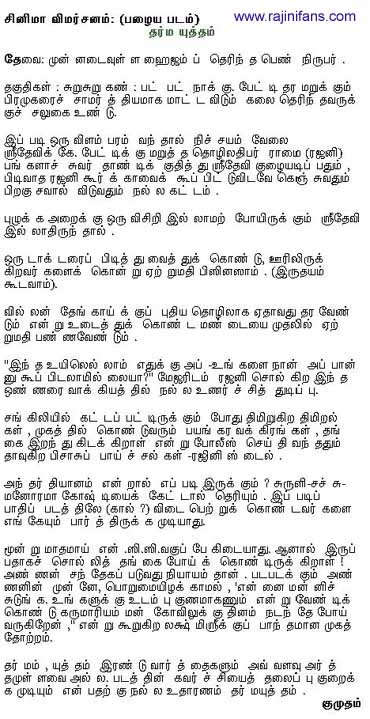
வாணிஜெயராமின் கணீர் குரலில் 'கேள்வியின் நாயகனே...' என்று ஸ்ரீவித்யா வாயசைக்கும் காட்சிதான் ஒரு வழியாக கத்தியின்றி யுத்தமின்றி கிளைமாக்ஸ் கலாட்டா எதுவுமின்றி நம்மை ஸீட் நுனிக்கு வரவழைக்கும். படத்தின் கதையையும் ஓரே பாட்டில் சொல்லிவிடும்!
தமிழ்க் கலாசாரத்தின் (தமிழ் சினிமாவின் ?) சமன்பாடுகளை கலைத்துப்போட்டுவிட்டு பின்னர் குழம்பிப் போய் ஒழுங்காக அடுக்கி வைக்கும் குழப்பமான கிளைமாக்ஸாக இருந்தாலும் அபூர்வ ராகங்கள் நிச்சயம் அபூர்வமான படம்தான். கணவனை பிரிந்திருக்கும் கர்நாடக பின்னணி பாடகியின் மீது ஒரு ரசிகனுக்கு வெறித்தனமான காதல். பாடகியின் ஒரே செல்லப் பெண்ணிற்கோ அதே ரசிகனின் அப்பாவின் மீது காதல். இளைய தலைமுறை, முதிய தலைமுறையை விரும்பும் டேஸ்ட்டை டீஸெண்டாக சொல்லிவிட்டு நம்மூர் கலாச்சாரத்தை நினைத்து கவலைப்பட்டு மேட்டரை அப்படியே கைகழுவி விட்டு எஸ்கேப்பாகிவிடுகிறார் டைரக்டர் கே. பாலசந்தர்.
அவள் ஒரு தொடர்கதை, அரங்கேற்றம் என்று வெற்றிப்படிகளில் நின்று கொண்டிருந்த கே.பியின் உயரத்தை தக்க வைத்து தமிழ் சினிமாவுக்கு இன்னொரு ஸ்ரீதர் கிடைத்திருக்கிறார் என்கிற செய்தியை இந்திய சினிமாவுக்கு சொன்னது அபூர்வ ராகங்கள். பார்முலா படங்களில் சிக்கிக்கொண்டிருந்த தமிழ் சினிமாவில் அன்னக்கிளி கொண்டு வந்திருந்த மாற்றத்தை உறுதிப்படுத்தி இயக்குனர்களின் யுகம் தொடங்கிவிட்டத்தை உறுதிப்படுத்தியது அபூர்வராகங்கள்தான்.
பிரபல வசவு வார்த்தையோடு அறிமுகமாகும் கமல்ஹாசன் படத்தின் நிஜமான அமுல்பேபி. சின்ன விஷயத்திற்கெல்லாம் ஏகத்துக்கும் கோபப்பட்டு, உணர்ச்சிவசப்பட்டு... கமலின் நடிப்புக்கு நல்ல தீனி. இருபத்து நாலு படங்களில் வராத மெச்சூரிட்டியை அபூர்வ ராகங்கள் அள்ளிக் கொடுத்திருக்கிறது. ஹீரோவாக பிரமோஷன் என்றாலும் ஸ்ரீவித்யாவை கவருவதற்காக வில்லங்கமான விஷயங்களை செய்துவிட்டு மனசாட்சி உறுத்தல்களையும் வெளிப்படையாக காட்டியது ஹீரோ என்பதை விட நல்ல குணச்சித்திர ரோலாகவே மனதில் நிற்கிறது.
பவுடர் மேல் பவுடர் பூசியும் மேக்கப் எடுபடாத வேடத்தில் மேஜர் சுந்தராஜனை திணித்து ஜெயசுதாவுக்கு அவர் மீது வரும் காதலை நியாயப்படுத்த காட்சிகள் எதுவுமில்லாது படத்தின் பெரிய குறை. தேசிய கீதத்திற்கு யாரோ சரியான மரியாதை செய்யாததால் கமலுக்கு வரும் கோபம் படு செயற்கை. வெறித்தனமாக ரசிகனை பாடகி வீட்டுக்குள்ளே வைத்திருக்கவேண்டிய அவசியமென்ன என்கிற கேள்விக்கு யாரிடமும் பதிலில்லை.
ஆனாலும், ஏழு கேரக்டர்களை வைத்துக்கொண்டு படத்தை ஜிவ்வென்று இழுத்து ஒவ்வொரு ரீலிலும் ஒவ்வொரு ஸ்வரங்களை காட்டினாலும் தாளம் தப்பவில்லை. கமல், ஸ்ரீவித்யா தவிர டாக்டர் வைத்தியாக வரும் நாகேஷம் கவியரசுவாகவே வரும் கண்ணதாசனும் நிறையவே ஸ்கோர் பண்ணுகிறார்கள். சினிமா புள்ளிவிவர கணக்குகளுடன் எப்போதும் தொண தொணக்கும் நாகேஷ், எப்போது கேட்டாலும் கவிதை படிக்கும் கண்ணதாசனும் ரசிகர்களின் மனதில் ரொம்ப நாள் இருந்தார்கள்.
'ஏழு ஸ்வரங்களுக்குள் எத்தனை ராகம்...' என்று கண்ணதாசனும் எம்.எஸ்வியும் ஆச்சரியப்படுத்தியிருப்பார்கள். அதே கூட்டணியில் 'அதிசய ராகம்..' சொல்லும் ஜேசுதாஸின் குரலில் வரும் பாடல் இன்னும் ஜீவித்திருக்கிறது.
இப்படியெல்லாம் படத்தை பற்றி விமர்சித்தாலும் வெகு சாதாரணமாக சித்தரிக்கப்பட்ட அந்த புதுமுகத்தின் அறிமுகம்தான் தமிழ் சினிமாவின் சகாப்தத்தில் அபூர்வ ராகங்களின் பெயரை நிலைநிறுத்திக்கொண்டிருக்கிறது. அந்த புதுமுகத்தின் பெயரை குறிப்பிட மறந்த பத்திரிக்கை விமர்சனங்கள் நிறைய. படத்தின் வெற்றிவிழாவில் கலைஞரின் கையால் விருது கிடைக்கும் வாய்ப்பு கூட இல்லாமல் போய்விட்ட அந்த புதுமுகத்தின் முதல் படமாக மட்டுமே அபூர்வ ராகங்கள் இன்று சினிமா ஆய்வாளர்களால் எடுத்தாளப்படுவது வேடிக்கை.
'சுருதிபேதம்' டைட்டில் கார்டுடன் அறிமுகமாவதிலிருந்து ஆடியன்ஸோடு ஆடியன்ஸாக இருட்டிலிருந்தபடியே செத்துப்போகும் கிளைமாக்ஸ் வரை சொற்ப காட்சிகளில் கருப்புக் கோட்டு சகிதம் கலைந்த முடியுடன் ஸ்ரீவித்யாவின் திருந்திய கணவராக வரும் அந்த கருப்பு முகத்தில் பிரகாசமான ஒளி எதுவும் தென்படாது. 'பைரவி வீடு இதுதானே..' என்று கேட்கும் முதல் டயலாக்கில் பரிதாபம் கொஞ்சமாய் எட்டிப் பார்க்கும்.
படத்தில் டாக்டர் வைத்தியாக வரும் நகேஷ், அந்த கருப்பு கோட்டு கணவரிடம் பிரேம் நஸீர் நடித்த நூறாவது படம் எது என்று கேட்டு, தவறான பதிலில் முகம் சுளித்து இதுவே உனக்கு கடைசியாக இருக்கட்டுமென்று சபித்துவிட்டு போய்விடுவார்.
நல்லவேளை....அபூர்வ ராகம், கடைசி ராகமாகிவிடாமல் இன்னும் சுகமான ராகமாக தொடர்ந்து கொண்டிருக்கிறது!
— ஜெ. ரஜினி ராம்கி
Aboorva Raagangal - Classis Movie Review
A Landmark Film That Introduced Rajinikanth to Tamil Cinema
Directed by the legendary K. Balachander, Aboorva Raagangal remains one of the most daring and unconventional films in Tamil cinema history. Released in 1975, the film stars Kamal Haasan, Sridhevi Vidya, Major Sundarrajan, Jayasudha, and most importantly marks the Tamil film debut of Rajinikanth.
With memorable songs penned by Kannadasan and a thought-provoking storyline, the film challenged social norms and showcased Balachander's mastery of character-driven storytelling.
Story
As with many K. Balachander films, Aboorva Raagangal focuses on relationships, emotions, and human conflicts rather than action or commercial formulas.
The story revolves around Bhairavi (Sree Vidya), a respected singer searching for peace and happiness in her troubled life. At the same time, Major Sundarrajan struggles with his rebellious son Prasanna (Kamal Haasan), whose impulsive nature frequently leads to conflict.
Unable to tolerate the constant friction with his father, Prasanna leaves home and begins living independently. Fate brings him into Bhairavi's life after she helps him recover from an incident on the streets. Drawn to her kindness and affection, Prasanna gradually develops feelings for Bhairavi and becomes a paying guest in her home.
Meanwhile, Major Sundarrajan meets Ranjani (Jayasudha), a young woman who offers him emotional support and companionship. Believing her to be like a daughter, he invites her to stay in his house after his son leaves. Their friendship gradually evolves into a deeper emotional bond.
As the story unfolds, both unconventional relationships begin to challenge social expectations. Prasanna falls in love with Bhairavi, while Ranjani develops feelings for Major Sundarrajan. The resulting emotional conflicts form the heart of the film.
The biggest surprise arrives when hidden family connections are revealed, creating a complex web of relationships that only a filmmaker like K. Balachander could convincingly portray. The climax ultimately emphasizes reconciliation, understanding, and the importance of family bonds.
Rajinikanth's Historic Debut
For Rajini fans, Aboorva Raagangal holds a special place in history. This is the film that introduced Rajinikanth to Tamil cinema.
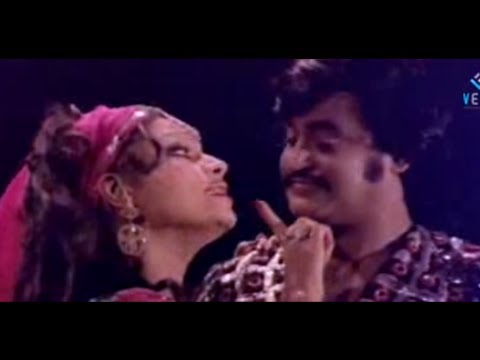
Though his role is brief, his screen presence is impossible to ignore. His introduction scene—walking through a gate with a rugged appearance and intense eyes—gave audiences a glimpse of the charisma that would later transform him into a superstar.
What seemed like a small debut at the time would eventually become the starting point of one of the greatest careers in Indian cinema. K. Balachander not only introduced Rajinikanth to Tamil audiences but also discovered a phenomenon who would go on to capture millions of hearts across the world.
K. Balachander – The True Hero Behind the Film
The real hero of Aboorva Raagangal is undoubtedly K. Balachander.
Known for his ability to explore complex human emotions, Balachander created a film that was decades ahead of its time. He had a unique talent for turning ordinary conversations and family situations into compelling drama.
His contribution to Tamil cinema is immeasurable. Apart from launching Rajinikanth, he also played a major role in shaping the careers of Kamal Haasan and many other talented artists.
Some of his memorable classics include:
- Avargal
- Moondru Mudichu
- Varumayin Niram Sivappu
- Sindhu Bhairavi
- Unnal Mudiyum Thambi
- Punnagai Mannan
His films continue to inspire filmmakers and audiences alike.
Performances
Kamal Haasan delivers a powerful performance as the rebellious young man searching for affection and understanding. Sree Vidya is exceptional as Bhairavi, bringing dignity and emotional depth to a challenging role.
Major Sundarrajan and Jayasudha also shine in their respective characters, making every emotional moment believable and engaging.
Although Rajinikanth's role is limited, his appearance remains one of the most celebrated debut performances in Tamil cinema history.
Final Verdict
Aboorva Raagangal is a bold and intelligent film that explores human relationships in a way few films dared to attempt during its era. With strong performances, memorable music, and K. Balachander's brilliant direction, the film remains a timeless classic.
More than just a great movie, it represents an important milestone in Tamil cinema—the beginning of Rajinikanth's legendary journey.
A classic masterpiece that introduced a future Superstar while showcasing K. Balachander's extraordinary storytelling genius.



.jpg)

.jpg)
.jpg)