
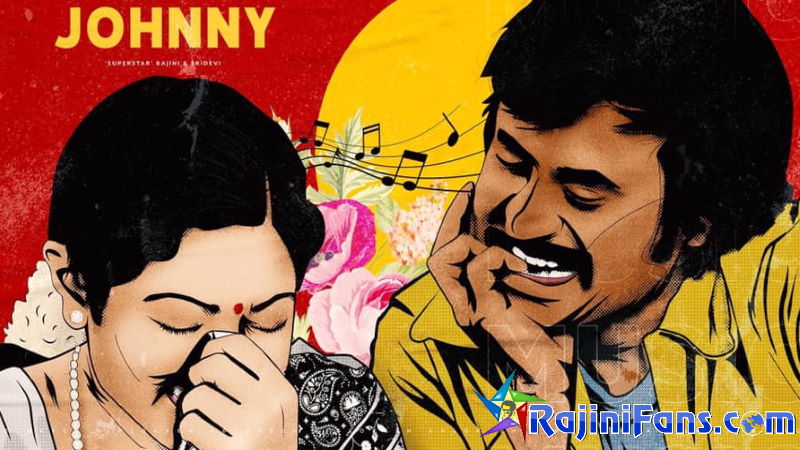
Johnny Classic Movie Review
Imagine a romantic tragedy wrapped in hauntingly beautiful music, add a gripping drama built around two men who look exactly alike, and you get Johnny.
Directed by J. Mahendran, Johnny is one of those rare Tamil films that refuses to follow the usual rules of the double-role genre. There are no long-lost brothers, no convenient family connections and no elaborate revenge formula. Instead, Mahendran takes two unrelated men who happen to look identical and builds an unusually intimate story around their loneliness, mistakes, relationships and eventual redemption.
Released in 1980, Johnny remains one of the most distinctive films of Rajinikanth's career. It is also a film where Rajinikanth the actor takes centre stage, rather than Rajinikanth the superstar.
Two faces, two lives
Rajinikanth plays Johnny, a petty thief who gets involved in crime partly because of circumstances and the debts left behind by his father. He is not presented as a conventional hero. Johnny is emotionally wounded, isolated and carries a deep sense that he does not quite belong in society.
Then there is Vidyasagar, Johnny's look-alike — a barber by profession, miserly, lazy and often amusing in his behaviour. On the surface, the two men could not be more different.
Yet Mahendran gradually reveals an interesting similarity between them: both are lonely men searching for some form of emotional connection.
That emotional connection comes into Johnny's life through Archana, beautifully played by Sridevi.
Johnny and Archana
Archana is not simply a conventional heroine waiting for the hero to rescue her. She is an independent woman with her own emotional world, and music becomes an important part of that world.
Johnny is drawn to her, but what makes their relationship affecting is not merely romance. Archana sees something vulnerable beneath Johnny's hardened exterior. Her kindness becomes one of the few things that allows him to believe that perhaps he is worthy of being loved.
One of the most touching ideas in the film is that music and affection slowly bring humanity back to a man who has become disconnected from society.
The line:
“I’m a barber by profession, a murderer by accident, but now I have become a human thanks to you.”
beautifully captures the emotional transformation at the heart of the film.
Vidyasagar – the darker mirror
If Johnny represents loneliness and insecurity, Vidyasagar represents what happens when betrayal destroys a person's sense of right and wrong.
Vidyasagar falls in love with Bama and dreams of a future with her. But when he discovers her betrayal, his emotional world collapses. His subsequent actions turn him into a vindictive and morally broken man.
This is where Johnny becomes much more than a love story.
Mahendran doesn't present Vidyasagar's actions as heroic or justified. Instead, he explores how hurt, betrayal and resentment can distort a human being.
And eventually, Archana's compassion becomes important not only to Johnny, but indirectly to Vidyasagar's redemption as well.
Mahendran's genius with the double role
The most fascinating aspect of Johnny is the way Mahendran handles the two Rajinikanth characters.
Double-role films traditionally depend on mistaken identities, separated brothers, revenge or comedy. Johnny does none of that.
Instead, Mahendran creates a slowly developing puzzle:
How will the lives of these two completely unrelated men intersect?
And more importantly:
What will happen when they finally come face to face?
The film keeps the audience waiting without resorting to unnecessary melodrama. The pieces are carefully placed throughout the narrative, and when they finally come together, the resolution is surprisingly understated.
That restraint is one of the film's greatest strengths.
Rajinikanth without the superstar image
One of the most remarkable things about Johnny is that there is very little of the familiar “Rajini style” that audiences associate with his later career.
There are no elaborate hero introductions, no mass punch dialogues and no conventional action-hero moments.
Instead, Rajinikanth has to create two completely different personalities through body language, expressions, voice modulation and behaviour.
As Johnny, he carries an underlying sadness and vulnerability.
As Vidyasagar, he displays a wonderful comic instinct through his mannerisms, laziness and miserly nature.
It is a performance that reminds us that before becoming an enormous cinematic phenomenon, Rajinikanth was an extraordinarily instinctive actor.
Sridevi's Archana
Sridevi is equally important to the film's emotional strength.
As Archana, she is deliberately presented without the conventional glamour associated with a leading heroine. Her character has warmth, loneliness and emotional maturity.
She isn't merely there to complete Johnny's story. In many ways, she becomes the emotional centre of the film.
Her compassion is what allows Johnny to see himself differently, and her presence gives the film its gentle counterbalance to the darker events surrounding the two men.
Ilaiyaraaja – the soul of Johnny
And then there is Ilaiyaraaja.
If Mahendran provides the film with its emotional architecture, Ilaiyaraaja gives it a soul.
The soundtrack is extraordinary.
“En Vaanile,” “Kaatril Enthan Geetham,” “Senorita I Love You” and “Aasaiya Kaathula” each have completely different moods, yet they all belong naturally to the world of Johnny.
“En Vaanile” and “Kaatril Enthan Geetham” carry the film's melancholy beautifully, while “Aasaiya Kaathula” provides an entirely different, lively flavour.
The music doesn't merely accompany the scenes. It often expresses emotions that the characters themselves cannot articulate.
That is perhaps one of the most beautiful aspects of Johnny.
A film about human frailty
Ultimately, Johnny isn't really about good versus evil.
It is about people making mistakes, people hurting others, people being hurt, and people getting another chance to become better versions of themselves.
Johnny's journey is one of rediscovering his own humanity.
Vidyasagar's journey is one of confronting his crimes and accepting responsibility.
Archana's presence reminds both men that compassion can sometimes accomplish what punishment cannot.
That makes Johnny surprisingly mature for its time.
A quiet rebellion
At a time when mainstream Tamil cinema often expected female characters to revolve around the male protagonist, Johnny gives Archana considerably more emotional agency. She isn't simply a reward for the hero. Her compassion, choices and emotional strength influence the direction of the story.
But calling Johnny purely a feminist film would perhaps miss its larger achievement.
It is more accurately a film about human relationships and emotional consequences, where the women are not merely devices for the men's stories.
Mahendran's characters are flawed, sometimes selfish, sometimes destructive — but recognisably human.
Final verdict
Johnny is a quiet masterpiece.
It doesn't shout for attention. It doesn't depend on Rajinikanth's superstar image. It doesn't follow the familiar double-role formula. And it doesn't rush towards a conventional happy ending.
Instead, it stays with its characters, allowing their loneliness, mistakes and emotions to breathe.
Rajinikanth delivers one of his most nuanced performances. Sridevi provides the emotional warmth at the heart of the film. Ilaiyaraaja's music remains unforgettable. And Mahendran brings everything together with remarkable restraint.
More than four decades later, Johnny still feels different.
It is not merely a Rajinikanth film. It is a film about two men, one woman, a series of mistakes — and the possibility of redemption.
ஜானி - ரசிகனின் விமர்சனம் 1

ஒரு இனிய மாலை பொழுதில் கையில் ஒரு கோப்பை சூடான தேநீரோடு அந்திவானம் பார்த்து அமர்ந்திருக்கும் அந்த கணத்தில் மனத்திற்குள் யாரோ வந்து பியானோ வாசிக்க ஆரம்பித்தார்கள். சிந்தனையை சிறையெடுக்கும் அந்த இசையில் கண் மூடி நிற்கையில்.. இசைக்கு சொந்தக்காரரும் அந்த இசையைக் காட்சி படுத்திய இயக்குனரும் ஒரு வினாடி கண் முன் வந்து போகிறார்கள்…
இசை.. மனத்தின் ஆழத்தில் புதைந்து கிடக்கும் எத்தனையோ ஞாபக பெட்டகங்களின் பூட்டை திறந்து விடும் மாயச் சாவி தொலைத்த காதல்களையும் வாழ்க்கை வரமென கையில் பிடித்து கொடுத்த காதலையும் ஒரு சேர நினைவில் நிறுத்தி அந்த இசை இதயத்தை ஈரமாக்கியது.
அர்ச்சனாவும் ஜானியும் பியானோ இசை மூலம் பிரியம் பேசியதை மறக்கமுடியுமா? ஜானி – பாடல்களுக்காக படம் என்பதை தாண்டி பின்னணி இசைக்கான பொக்கிஷமென தமிழ் சினிமா ஆராதித்த படம்.
ஜானி எந்தவித சந்தேகமும் இன்றி, தமிழ் கிளாசிக் திரைப்பட வரலாற்றில் முன் வரிசையில் இருக்க வேண்டிய திரைப்படம். காட்சி அமைப்பு, இசை, நடிப்பு என அனைத்தும் ஒன்றுடன் ஒன்று போட்டியிடும்.
ஸ்ரீதேவி, ரஜினியிடம் தனது காதலை வெளிப்படுத்தும் காட்சி. ரஜினி ஆரம்பத்தில் தனது பின்னணியை நினைத்துக் காதலை ஏற்கத் தயங்குவார். கொஞ்சம் கொஞ்சமாக எழுந்து நடந்த பிறகு அருகில் வந்து திருமணம் செய்வதாக ஒத்துக் கொள்வதாக காட்சி நகரும்.
அந்தக் காட்சியின் இறுதியில், “என்னைப் பத்தி அது இதுன்னு ஏதேதோ தப்பா நினைச்சுட்டு, ஏன் அப்டிலாம் பேசிட்டீங்க?” என்று ரஜினி கேட்டதும், ஸ்ரீதேவி குழந்தைத்தனமாக, “நான் அப்டித்தான் பேசுவேன்” என்பார். “ஏன்? ஏன்? ஏன்?” என்று கேட்கும் ரஜினியின் பக்கம் ஸ்ரீதேவி திரும்பியதும் இருவரும் சிரிக்கத் தொடங்குவார்கள்.
பின்னிருந்து படத்தின் ஜீவனான பியானோ ஒலிக்கத் தொடங்கும். காதல் மலர்வதன் முதல் படியில் இருவரும் சிரித்துக் கொள்வது போல காட்சி அமைக்கப்பட்டிருக்கும். அதில் ரஜினி தனது முகத்தை மூடிக்கொண்டு சிரிக்கும் சமயம் அந்த காதலுக்கான கதவுகள் திறந்து கொண்டிருக்கும்.
ஸ்ரீ தேவியும், ரஜினியும் சந்திக்கும் காட்சிகளில் எல்லாம் மெலிதாக வரும் பின்னணி இசை மனதை என்னவோ செய்யும். நீங்களும் கேட்டு ரசியுங்கள் இங்கே.
காதலை வெளிப்படுத்தும் காட்சிகளுக்கென்று சில இலக்கணங்கள் இருந்தாலும், அந்த புன்னகையும் இசையும் அழகிய இலக்கண மீறல். தமிழ் சினிமாவின் ஆகச்சிறந்த காதல் காட்சிகளில் இது ஒரு கிளாசிக்.
ஜானி திரைப்படத்தில் ஜானியின் கதாபாத்திரமும், வித்யாசாகரின் கதாபாத்திரமும் அநேகமாக ஒன்றுதான். ஜானிக்கும் வித்யாசாருக்கும் இருக்கும் ஒரு வித்தியாசம் இசை.
ஜானி ஒரு திருடன். அவன் குற்ற வாழ்க்கைக்குப் பின்னால் மனம் வருடும் ஒரு சோகக்கதை இருக்கிறது. தன் தந்தையை தன்னுடைய தந்தைதான் என்று சொல்ல இயலாத ஜானி தன் அன்னையின் மரணத்திற்குப் பின், தான் யாருமில்லை என்பதை உணர்கிறான். அவனுடைய தந்தை கடனால் அடைந்த அவமானத்திலிருந்து அவரை மீட்கத் தவறான வழியைத் தேர்ந்தெடுக்கிறான்.
அப்போது அவனின் இருப்பை அர்த்தப்படுத்தும் ஒரே விஷயமாக, அவன் அன்னை வழங்கிச் சென்ற இசை அவனோடு இருக்கிறது. அவள் சிதார் வாசிப்பதை அருகிலிருந்து கேட்டு வளரும் ஜானி, அதன் வழியே இந்த உலகத்தின் மனிதர்கள், கேலி, அவமானம் , துயரத்திற்கு அப்பால் ஒரு அரூபமான உலகத்தை உருவாக்கிக் கொள்கிறான்.
தாய் தந்தையின் காதலை உணர்ந்தாலும் அந்த உறவால் அவன் வாழ்வில் மிஞ்சியது அன்புக்கான ஏக்கம் மட்டுமே.
“சின்ன வயதில் முத்தம் கொடுத்தீங்க. ஆனா, இனிஷியல் கொடுத்தீங்களா?” என அப்பாவிடம் மருகி, “This Johnny is a nobody” என்று ஆற்றாமையை சுமந்து நிற்கும் ஜானி, நம்மைத் தனக்கு வெகு அருகில் சேர்த்துக் கொள்கிறான்.
களவுகளில் கரை கண்டவனான ஜானி தன் தந்தை கெளரவம் காக்கத் தன் சுயம் தொலைக்கச் சித்தமானவன்.
பணம் தேடி அவன் புத்தி குறுக்கு வழிகளில் அலைகிறது. அப்போது நடு வீதியில் மேடை போட்டு நின்று இசை அவனை அழைக்கிறது. இசையின் யாசகன் அவன். பாடலைத் தேடி போகிறவன் பாடகியிடம் தன் மனதைப் பறி கொடுக்கிறான்.
தனது இரட்டை வாழ்க்கையைக் காதலியிடம் சொல்ல முடியாமல் தவிக்கும் ஜானிக்கு, காதலியின் கண்ணீர் அவனுக்குள் அடைந்து கிடக்கும் உணர்வுகளின் மடையைத் திறக்கிறது.
ஜானியின் கதைக்கு நேர் கோட்டில் வித்யாசாகர் என்ற முடி திருத்தும் இளைஞனாக, இன்னொரு ரஜினியின் கதையும் மெல்ல பார்வையாளனுக்குச் சொல்லப்படுகிறது. கையில் கத்திரிக்கோலோடு, தொங்கு மீசை, படிய வாரிய முடி சகிதம் கருமியாக அறிமுகம் ஆகும் வித்யாசாகர் எடுத்த எடுப்பில் நம் ஆர்வத்தைக் கிளறுகிறான். மலை மீது தனியாக ஒரு வீட்டில் செளகரியமாக வாழும் அவனுக்கு பெற்றோர், சுற்றோர், காதலி, நண்பர்கள் யாருமில்லை. ஆனால், அவன் கோழிகளோடு தூங்கி, அவைகளோடே எழுந்து அதன் முட்டையை உடைத்துக் குடித்துவிட்டு தன் நாளை ஆரம்பிக்கிறான்.
கலைத்துப் போட்ட கவிதையாகக் காட்சிப்படுத்தப் பட்டிருக்கும் அவன் வீடு. அதில் முரட்டு வரிகளாய் அவன் பாத்திரம் கட்டமைக்கப்பட்டிருக்கிறது. உண்டு, உறங்கி சொரூப வாழ்க்கை வாழ்ந்து வரும் வித்யாசாகரின் வாழ்வில் ஒரு பெண் வருகிறாள். கருமியான அவன் மிகவும் தயங்கி பின்னர் அவளை வீட்டு வேலைக்குச் சேர்த்துக் கொள்கிறான்.
நம் வீட்டில் நாம் உபயோகப்படுத்தும் பொருட்கள் மீது நமக்கு காலப்போக்கில் ஒரு பற்றுதல் ஏற்பட்டுவிடும். அதுபோல வித்யாசாகருக்கும் தான் அடிக்கடி பேசிக்கொண்டிருக்கும் அந்தப் பெண் மீது ஒரு பற்று ஏற்படுகிறது. பூக்களையும் வாழ்க்கையையும் வெறும் எண்ணிக்கையாக மட்டுமே பார்த்து வந்த வித்யாசாகர், அந்த கன்னியின் அழகுக்குத் தன் அன்பை காணிக்கை ஆக்கத் தயார் ஆகிறான். அவளுக்கு இளமையின் தேகம். ஆனால், மனமோ அலைபாயும் மேகம்.
ஒன்றை விட ஒன்று சிறப்பு எனத் தாவிச் செல்லும் இயல்பு. தன் அன்பின் வாசம் கொண்டு அவளை வசப்படுத்த வித்யாசாகர் செய்யும் முயற்சிகள் முற்றிலும் தோற்றுப் போகின்றன.
தோல்விகள் சில மனிதர்களைக் காயப்படுத்தும். சில மனிதர்களை பலப்படுத்தும். அதே தோல்வியோடு, துரோகமும் இணைந்து கொண்டால் சில மனிதர்கள் மிருகங்கள் ஆவதும் நடப்பதுண்டு. அன்புக்காக ஏங்கும் வித்யாசாகர், பின்னர் அதே அன்புக்காக துரோகத்தைச் சந்தித்து ஆவேசம் கொள்ளும் ஆத்திரக்காரனாக மாறுகிறான். ஆத்திரம் அவனை மனித எல்லைக்கு வெளியே தள்ளுகிறது. அதன் பின் மிகப்பெரிய ஒரு குற்றம் புரிந்தவனாகிறான் வித்யாசாகர்.
Spoiler Inside (திரைப்படம் பார்த்தோர் மட்டும் படிக்கலாம்)
இங்கே வித்யாசாகர் அந்தப் பெண்ணைக் கொலை செய்வதற்கு அவள் அவனை நிராகரித்து வேறு ஒருவனைத் தேர்வு செய்தது காரணம் அல்ல. அதை அவன் எளிதில் மறந்துவிடுவான். ஆனால், அவள் வேறு ஒருவனைத் தேர்வு செய்வதன் மூலம் ஒரு கேலிப்புன்னகையை அவன் மீது செலுத்துகிறாள். அந்த சீண்டலும், அவன் தனிமையும் வேறு ஒரு பெண் அவன் வாழ்வில் வருவதற்கான சாத்தியமின்மையும் தான் அவனை கொலை செய்ய வைக்கிறது.
ஜானியின் குற்றங்களுக்காக போலீஸ் அவனைத் துரத்துகிறது. வித்யாசாகர் தன் குற்றத்தில் இருந்து தப்பிக்க ஓடுகிறான்.
ஒரே உருவம். ஆனால், இரண்டு மனிதர்கள். இரண்டு மனங்கள், இரு வேறு குற்றங்கள் துரத்த ஓடும் ஓட்டம் என வேகமெடுக்கிறது கதை இந்த பரபரப்பூட்டும் பின்னணி இசையுடன்.
ஜானியும் வித்யாசாகரும் சந்தித்துக் கொள்கிறார்கள். மோதுகிறார்கள். வித்யாசாகர் விபரீதத் திட்டம் தீட்டித் தன் குற்றத்தையும் ஜானி மீது போட்டு, ஜானிக்கு உரிமையான அர்ச்சனாவையும் தனதாக்கிக் கொள்ளக் கிளம்புவதில் கதையின் முடிச்சுகள் பலம் பெறுகின்றன.
நல்லவன் வெல்வான் எனக் கதை கேட்டு பழகிய நமக்கு இதில் யார் நல்லவன் என்ற பட்டி மன்றமே வைக்கத் தோன்றுகிறது.
ஜானி நல்லவன் என மனம் ஒரு புறம் நினைத்தாலும்.. வித்யாசாகரும் பாவம் தானே என அதே மனம் சண்டைக்கு வருகிறது.
அர்ச்சனா ஜானியின் காதல் வென்றதா? வித்யாசாகரின் பேதலித்த மனம் அந்த காதலை என்ன செய்தது? என்பதையெல்லாம், படத்தைப் பார்த்துத் தெரிந்து கொள்ளுங்கள்.
ஜானி - ரசிகனின் விமர்சனம் 2
ஜானி – ஆகஸ்ட் 15, 1980-ல் திரைக்கு வந்த படம். கள்வனின் வாழ்க்கையில் பூக்கும் காதலை கவிதையாய் இசை கோர்த்துக் கதையின் முன்பாகத்தை நகர்த்துகிறார் இயக்குனர் மகேந்திரன். ஃபிரேம் பை ஃபிரேம் காட்சியைச் செதுக்கி, அதை ஒரு கலை ஓவியமாய் பார்வையாளனுக்குப் படைக்கும் வித்தையை, தமிழ் சினிமாவுக்குப் பழக்கிய பிதாமகன் மகேந்திரன் தான்.
ஜானியின் பெரும் பலம் அதன் இசை. இசையமைப்பாளரின் பணி என்பது வெறும் பாடல்களோடு நிற்பது அல்ல. அதைத் தாண்டியும் அதன் எல்லைகளை விரிவுப்படுத்திய படங்களில் ஜானிக்கு முக்கியப் பங்கு உண்டு. பாடல்களுக்காக ரசிகர்கள் படங்களை மீண்டும் மீண்டும் பார்ப்பது இயல்பான நிகழ்வு தான்; ஆனால் பின்னணி இசைக்காகவும் திரையரங்குக்கு ரசிகர்களை படையெடுக்க வைத்தார் இளையராஜா என்றால் அது மிகை ஆகாது.
கதையோடு காதல் வளர்க்கும் கீதங்கள். காலம் தாண்டி இன்றும் பல தமிழக காதல்களுக்கு ஜானி பாடல்களின் ரீ ரிகார்டிங் தொடர்ந்து வண்ணம் சேர்த்து கொண்டு தான் இருக்கின்றன.
இக்கால இளைஞர்கள் பலருக்கும் மிகவும் பிடித்தமான 7G ரெயின்போ காலனி படத்தின் உயிரோட்டமுள்ள தீம் மியூசிக், ஜானியின் தீம் மியூசிக்கில் இருந்து உருவானது தான்.
ஒளிப்பதிவு அசோக் குமார். எதார்த்தமான படப்பதிவு படத்திற்கு பெரும் பலம். பெரிதாக ஒப்பனையில்லாத ரஜினி – ஸ்ரீதேவி – தீபா அழகோ அழகு. ஊட்டியின் வனப்பை மிக சிறப்பாகத் திரையில் கொண்டு சேர்த்திருப்பார் ஒளிப்பதிவாளர்.
கையில் புகைக்கும் சிகரெட்டோடு நிதானமாகத் தன் களவுகளைத் திட்டம் போடுவதாகட்டும், காதலியிடம் உருகும் இடமாகட்டும், தந்தையிடம் மருகி தன் ஆற்றாமையைப் பொறுமுவதில் ஆகட்டும், ஜானியாக ரஜினி நடிப்பில் புது சகாப்தம் படைத்து இருப்பார்.
ஸ்ரீதேவி ஒற்றை ஆளாக இரண்டு ரஜினிக்கு ஈடு கொடுத்து நடிப்பில் தன் கொடியை பறக்க விட்டிருப்பார்.
ஜானியிடம் தன் காதலை சொல்லும் அந்தக் காட்சியில் பெண்மையின் மென்மையை அதே நேரத்தில் அதன் திண்மையை காட்டும் அந்த கணம்.. தமிழ் சினிமாவின் நாற்பது ஆண்டுகாலத்தின் ஒரு இனிய “வாவ்” தருணம்.
வித்யாசாகர் ஜானியாக மாறி அர்ச்சனாவை சந்திக்க வரும் இடத்தில் மிருதுவான நடிப்பில் மிரட்டி இருப்பார் ஸ்ரீதேவி.
தீபா அழகு அவ்வளவு ஆபத்து என்று சொல்லிவிட்டு போகும் பாத்திரம்.. நிறைவு சுருளி பாலாஜி கோபாலகிருஷ்ணன் சின்ன வேடங்களில் சிறப்பு கூட்டி இருப்பார்கள்.
“எப்போவும் ஒண்ணை விட ஒண்ணு பெட்டரா தான் இருக்கும் அது தான் உலகம் அதை தேடி போயிட்டு இருந்தா முடிவே இருக்காது “.
” இந்த உலகத்துல பணம் செலவழிக்குறதுல்ல கருமித்தனம் இருக்கலாம் ஆனா அன்பு காட்டுறதுல்ல இருக்கக்கூடாது”
மகேந்திரனின் வசனங்கள் காலம் தாண்டியும் மனத்தைத் தைத்து நிற்கின்றன. ஒரு இயக்குனராக காதலில் துவக்கி க்ரைமில் கலந்து மனித உணர்வுகளைக் கோர்த்து பார்வையாளனின் நெஞ்சில் ஒரு படைப்பாளியாக சிம்மாசனம் இட்டு அமர்கிறார் மகேந்திரன்.
பழங்குடி மக்கள் கதாபாத்திரம் ஒன்றை உருவாக்கி அந்த காலத்திலே அதற்கு திரை வெளிச்சம் பாய்ச்சி அவர் வாழ்க்கையை உரசி ஒரு பாடலும் வைத்து பெருமை படுத்திய இயக்கினருக்கு ஒரு ஸ்பெஷல் வணக்கம் வைக்கலாம்.
நான் ஜா.. ஜானி இல்ல…
I am barber by profession
Murderer by Accident
இன்னிக்கு நான் ஒரு மனுஷன் உங்களால். படத்தில் வரும் சூப்பர் ஸ்டார் முத்திரை மொமென்ட் .
ஜானி பார்த்து வெகு நேரம் வரை இளையராஜா என் இதயத்து ஜன்னலில் அமர்ந்து பியானோ வாசித்து கொண்டிருந்தது தனிக்கதை.
அழகு மயில் ஸ்ரீதேவியும் கம்பீரக் காதலன் ரஜினிகாந்தும் நினைவுகளை தம் இனிய நடிப்பால் புரட்டிக் கொண்டிருந்தார்கள்.
இப்படத்தின் மூலம் மேலும் ஒரு முறை தான் ஒரு தேர்ந்த நடிகர் என்பதை நிரூபித்திருப்பார் ரஜினி.
ஜானி தமிழ் சினிமாவின் அழகிய கலை ஓவியம். இனிய சினிமா கொண்டாட்டம். ஜானி மூலம் ஒரு நடிகர் சூப்பர் ஸ்டாராகப் பரிணமிக்கத் தொடங்குகிறார்.
- தேவ்
ஜானி - கல்கி விமர்சனம்
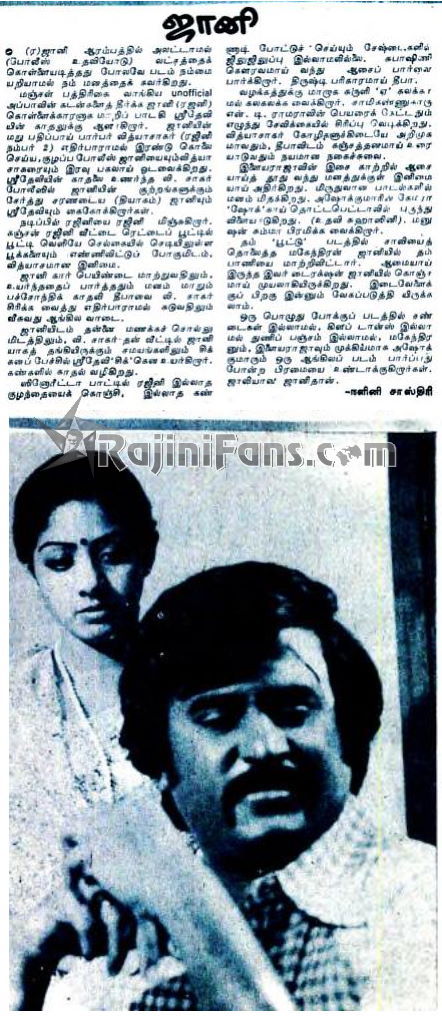
(07.09.1980 தேதியிட்ட கல்கி இதழிலிருந்து . . .)



.jpg)
.jpg)

.jpg)
.jpg)
.jpg)